Close Menu
    What's Hot

    From Phishing to AI-Driven Social Engineering: Why Human Trust Remains the Primary Attack Vector

    April 20, 2026

    How Overreliance on Security Tools Creates Blind Spots

    April 20, 2026

    Migrating off HP-UX: Why the Global Crisis Makes Emulation Your Best Bet Right Now  

    April 15, 2026
    Facebook X (Twitter) YouTube LinkedIn
    Facebook X (Twitter) YouTube LinkedIn
    SysprobsSysprobs
    • Tech Guides
      • Windows
        • Windows 11
        • Windows 10
        • Windows Servers
      • Virtualization
        • VirtualBox
        • VMware
        • Hyper-V
        • Server Virtualization
        • VirtualBox Images
      • PC
        • Linux
        • macOS
        • Hackintosh
        • MS Office
      • Pro IT Tips
        • Internet
        • MS Exchange
        • Fintech
    • Reviews
      • Gadgets
        • Android
        • iPhone
    • Security & Privacy
      • IT Security
    • Trading Gear
      • Laptops
    SysprobsSysprobs
    Home»Featured»How Overreliance on Security Tools Creates Blind Spots

    How Overreliance on Security Tools Creates Blind Spots

    DineshBy Dinesh
    Share
    Facebook Twitter LinkedIn Pinterest Email

    Security teams use tools to organize. Dashboards glow, warnings arrive on time, and compliance views turn red to green quickly. Visual clarity helps soothe leadership and convey risk control. However, a quiet dashboard does not guarantee safety. It merely indicates the tool found no issue. Attackers aren’t concerned about security stack polish. They seek weak seams, misconfigurations, neglected assets, and predictable human behavior.

    Security Tools

    That is also why tools can be most useful when they support deeper security work. Automated pentest reporting can help teams write up their findings faster, make them more consistent, and offer stakeholders a better idea of what needs to be fixed. The real value of it grows when teams see it as the start of an inquiry, validation, and follow-up instead of the end of the story. Security tools can make a program much stronger, but they function best when people use their judgment and are prepared to query what might still be missing.

    When Metrics Distort Reality

    When security measures influence perception rather than reality, a problem arises. Executives assume risk has decreased if patch compliance grows. If vulnerability counts reduce, teams may believe exposure has decreased. Though useful, those signals are incomplete. Exception lists, unmanaged systems, antiquated programs, and poorly inspected production assets are major vulnerabilities.

    These issues are not tool-related. Using a quantifiable outcome as truth is the problem. Teams may prioritize easy-to-count items over important ones. Narrow visibility, insufficient asset coverage, or tuning decisions that reduce noise without increasing danger may result in a clean report. When organizations conflate reporting efficiency with security maturity, blind spots form.

    Skills Erode Under Automation

    Another consequence is the slower erosion of human judgment. When teams lean too heavily on scanners, automated remediation, and prebuilt workflows, they stop exercising the instincts that matter during real incidents. Packet analysis feels unnecessary until traffic is misclassified. Threat modeling seems optional until a business workflow creates an unexpected escalation path. Over time, fewer people practice asking basic but essential questions about what looks normal and what does not.
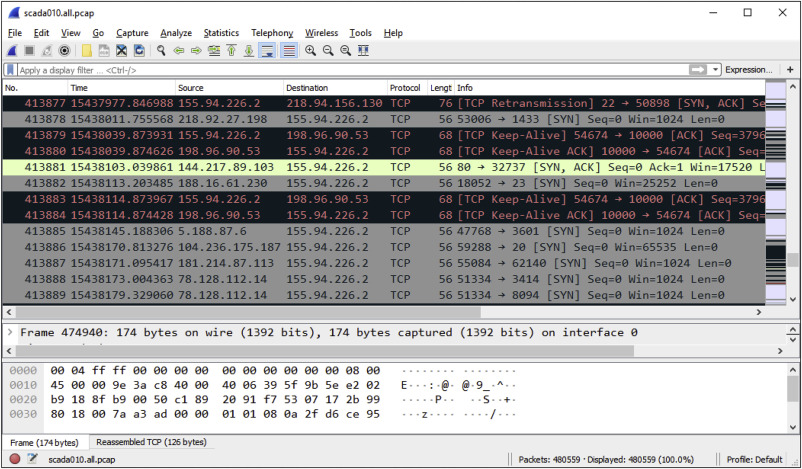
    Packet Analysis

    This affects engineering teams as well. If developers only correct what a tool flags, they may stop learning why the weakness exists in the first place. The result is a workforce that can respond to prompts but struggles to reason through new or unusual conditions. Attackers do not need to bypass every tool forever. They need only one moment when the tool misses something, and the humans behind it cannot adapt.

    A Healthier Way to Use Tools

    Strong security programs do not reject tools. They refuse to treat them as unquestionable authorities. Useful programs build in friction where it matters. They validate assumptions manually, review logs for sanity rather than only for compliance, and test business processes as well as technical controls. They also keep inventories current, because forgotten systems often create the easiest openings.

    Leadership matters too. Clean dashboards should prompt sharper questioning, not confidence. Not logged, scanned, or validated? Was anything waived, omitted, or delayed? Tool sprawl is particularly concerning because every platform handoff introduces another attack vector. Often, fewer tools with clear ownership and careful tweaking give better protection than a vast stack. Human curiosity, technical judgment, and regular validation keep security programs honest, although automation helps.

    IT Security
    Share. Facebook Twitter Pinterest LinkedIn Tumblr Email
    Dinesh
    • Website

    Dinesh is the founder of Sysprobs and written more than 400 articles. Enthusiast in Microsoft and cloud technologies with more than 15 years of IT experience.

    Related Posts

    From Phishing to AI-Driven Social Engineering: Why Human Trust Remains the Primary Attack Vector

    April 20, 2026

    Migrating off HP-UX: Why the Global Crisis Makes Emulation Your Best Bet Right Now  

    April 15, 2026

    GTA 5 Troubleshooting Guide: Common Windows Errors and Solutions 

    April 14, 2026

    The Hidden SEO Risks of Data Breaches: How They Damage Rankings and How to Recover

    March 23, 2026

    Will My PC Run Windows 12? NPU and RAM Requirements Explained

    March 21, 2026

    Smart Ways Students Can Safeguard Personal Data Online Today

    March 18, 2026
    Leave A Reply Cancel Reply

    Top Posts

    Where is the Outlook QR code? How to Use?

    February 16, 2024

    How to Install and Use Outlook for Ubuntu 24.04 LTS/24.10

    December 10, 2025

    Download and Use Windows 7 Pre-Installed VirtualBox Image

    May 3, 2022
    Don't Miss

    From Phishing to AI-Driven Social Engineering: Why Human Trust Remains the Primary Attack Vector

    April 20, 2026

    The evolution of social engineering has placed credential leak detection, exposed asset monitoring, and cyber…

    How Overreliance on Security Tools Creates Blind Spots

    April 20, 2026

    Migrating off HP-UX: Why the Global Crisis Makes Emulation Your Best Bet Right Now  

    April 15, 2026

    GTA 5 Troubleshooting Guide: Common Windows Errors and Solutions 

    April 14, 2026
    Stay In Touch
    • Facebook
    • YouTube
    • Twitter
    • LinkedIn
    Latest Posts

    From Phishing to AI-Driven Social Engineering: Why Human Trust Remains the Primary Attack Vector

    April 20, 2026

    How Overreliance on Security Tools Creates Blind Spots

    April 20, 2026

    Migrating off HP-UX: Why the Global Crisis Makes Emulation Your Best Bet Right Now  

    April 15, 2026
    INFORMATION
    • About
    • Contact Us
    • Privacy Policy
    ABOUT

    Established in 2007, Sysprobs is a trusted resource for IT professionals and System Administrators. We bridge the gap between enterprise infrastructure and the future of fintech security. From Windows virtualization to Blockchain node management, we provide technical guides for the modern digital economy.

    POPULAR SECTION

    WINDOWS 11
    WINDOWS 10
    VIRTUALIZATION
    IT SECURITY
    PRO IT TIPS


    Sysprobs
    Facebook X (Twitter) YouTube LinkedIn
    • Home
    • Windows
    • Cloud
    • Security & Privacy
    © 2026 SYSPROBS: System Security & Fintech Solutions. Protected by Cloudflare.

    Type above and press Enter to search. Press Esc to cancel.