


Technology helps you improve teamwork and streamline daily operations. However, every connected device and cloud platform also creates new security risks. Modern cybersecurity does more than block attacks. It helps you keep systems running, protect valuable data, and avoid costly disruptions.
When you build security into everyday business processes, your team spends less time dealing with preventable problems and more time focusing on productive work. That practical approach supports stronger performance while giving customers greater confidence in your business.

Reducing Downtime and Operational Disruption
Cyberattacks can stop employees from accessing systems and interrupt customer service. Strong cybersecurity reduces these risks by combining multi-factor authentication, regular software updates, and reliable data backups. For example, if ransomware affects your network, recent encrypted backups allow you to restore files quickly instead of rebuilding systems from scratch.
Faster recovery keeps projects moving, enabling you to meet deadlines, and reduces financial losses. Review your backup process regularly to confirm it works when you need it.
Strengthening Business Resilience
Cybersecurity also helps your business respond to unexpected challenges without major disruption. Regular security audits and employee training make it easier to identify suspicious activity before it spreads. For instance, if an employee clicks a phishing email, monitoring tools can detect unusual account activity and allow your IT team to isolate the device quickly.
This process limits damage, protects sensitive information, and keeps the rest of your business operating normally.
Supporting Secure Remote and Hybrid Work
Remote and hybrid work policies increase flexibility, but they also introduce additional security risks. Employees often connect through home networks or personal devices, making secure access essential.
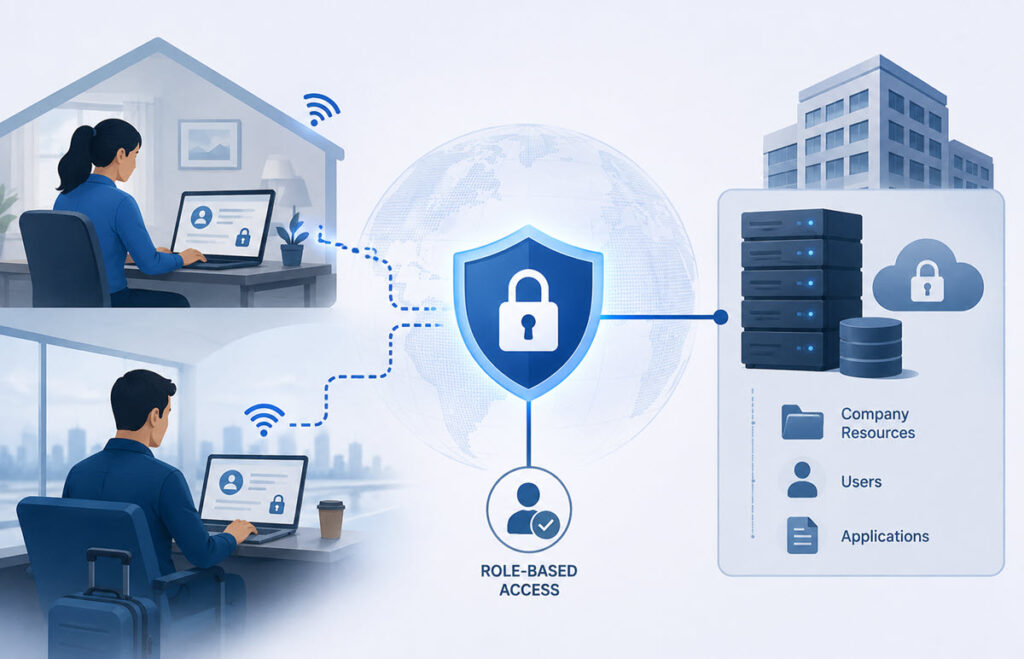
Virtual private networks (VPNs) and role-based access controls help employees work safely from different locations. A customer support agent, for example, can access company systems securely while only viewing the information needed to complete daily tasks. This balance protects business data without slowing productivity.
Building Trust and Enabling Growth
Customers and business partners expect you to protect their information. Strong cybersecurity shows that you take this responsibility seriously through clear policies and consistent security practices. Meeting recognized security standards can also open new business opportunities because many organizations assess cybersecurity before signing contracts. For example, businesses in Florida may start a Florida LLC before establishing security policies and data protection procedures that strengthen customer confidence and support long-term growth.
Making Security a Competitive Advantage
The businesses that benefit most from cybersecurity treat it as an ongoing investment. As technology evolves, your approach should evolve with it through regular reviews, practical staff education, and thoughtful planning. This mindset allows you to adapt to new challenges without disrupting the progress you have already made.
Eventually, security becomes part of your company culture, encouraging smarter decisions at every level. When you build that foundation, you create an environment where innovation can move forward with confidence, helping your business remain productive and prepared for whatever comes next.
