


The journey of a single industrial shipment is a complex story told through data. From the moment an order is placed to the final proof of delivery, dozens of data points are created, shared, and processed by multiple parties, including shippers, carriers, brokers, and receivers. When this information flows smoothly, logistics operates like a well-oiled machine. But when data is inconsistent, siloed, or incorrect, the entire supply chain can grind to a halt. The same applies to the payments that follow.
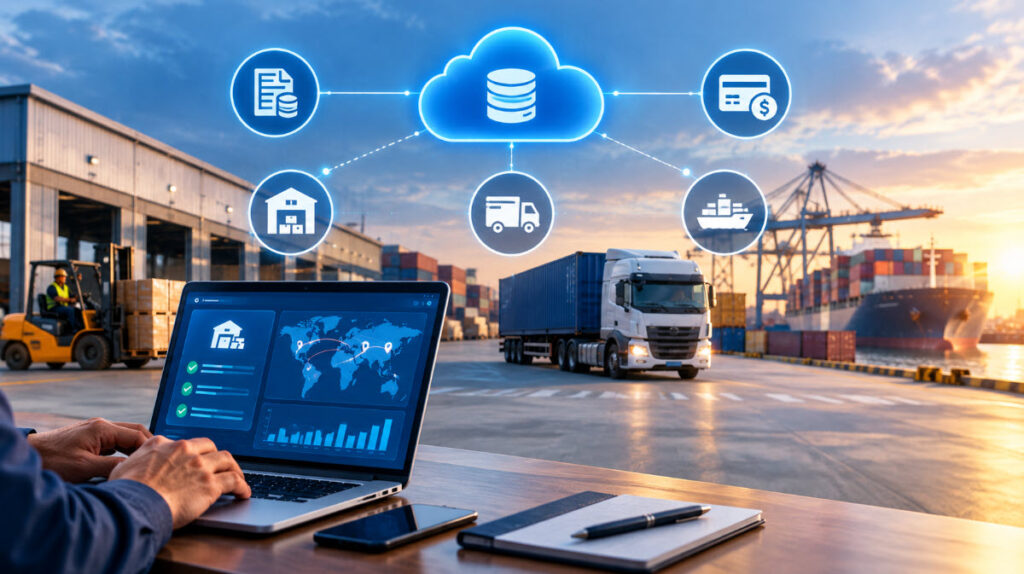
Standardizing how data and payments are handled isn’t just a technical upgrade; it’s a fundamental operational advantage that separates successful logistics operations from those struggling with inefficiency and errors. This strategic shift lets businesses use robust data APIs for streamlined processes, ensuring accuracy and speed across their entire supply chain ecosystem.
Why Inconsistent Data Creates Logistics Nightmares
In many organizations, logistics data lives in a chaotic ecosystem of different formats and systems. A shipper might use an enterprise resource planning (ERP) system, a carrier might rely on a proprietary transportation management system (TMS), and a warehouse might track everything in spreadsheets. Information is often exchanged through a flurry of emails, PDFs, and phone calls. This lack of a universal language is a recipe for disaster.
Every time data is manually transferred from one system to another, the risk of human error skyrockets. A single transposed digit in an address can send a truck to the wrong state. An incorrect weight entry can lead to regulatory fines and rejected shipments. These aren’t just minor inconveniences; they create a domino effect of costly delays and disputes. For example, if a carrier’s system records a delivery at 3:05 PM but the receiver’s paperwork says 3:25 PM, a simple invoice can turn into a weeks-long investigation, holding up payment and damaging business relationships. This is why data standardization is key to building a resilient and efficient supply chain. Without it, companies spend countless hours reconciling mismatched information instead of focusing on moving goods.
The Power of a Single Source of Truth
The solution to data chaos is creating a “single source of truth.” This means establishing one universally accessible and trusted place for all shipment-related information. When all parties involved in a transaction are looking at the same real-time data, ambiguity and disputes disappear. A single source of truth ensures everyone, from the warehouse floor to the accounting department, is operating from the same playbook.
This concept is particularly powerful for billing and payments. When data on rates, accessorial charges, delivery times, and quantities is standardized and agreed upon upfront, the invoicing process becomes a simple formality rather than a point of contention. Several industries have already shown how powerful this approach can be. For example, in complex fields like industrial services, specialized platforms are emerging to tackle this challenge. Haulers using dedicated waste management invoicing software can automate billing based on standardized inputs like weight, frequency, and service type.
This not only ensures accuracy but also dramatically speeds up the payment cycle, improving cash flow. Adopting common logistics data standards allows companies to build more robust integrations and streamline communication between partners, ultimately reducing administrative overhead and fostering trust.
From Manual Payments to Automated Financial Flows
For too long, the financial side of logistics has been stuck in the past. The process often involves paper invoices sent through the mail, manual approval workflows, and payments made by physical checks. This archaic system is slow, inefficient, and prone to errors. It creates a significant administrative burden and can lead to major cash flow problems, especially for smaller carriers who may have to wait 30, 60, or even 90 days to get paid for a completed job.
Standardizing data is the key that unlocks automated financial flows. When a delivery event is electronically confirmed in a shared system with all necessary data points verified, it can automatically trigger an invoice. No more manual data entry or chasing down paperwork. The approved invoice can then be paid electronically through integrated payment platforms, with funds transferred in days instead of months.
This automation benefits everyone. Shippers reduce their administrative costs and can often secure better rates by offering quick-pay options. Carriers and brokers get paid faster, which improves their financial stability and allows them to invest back into their operations. This shift from manual to automated processes transforms the financial supply chain from a bottleneck into a seamless and efficient flow.
Unlocking Deeper Insights with Standardized Analytics
The most significant operational advantage of data standardization isn’t just about doing things faster or with fewer errors. It’s about gaining the ability to do things smarter. When your data is clean, consistent, and centralized, you can finally use it for powerful business intelligence and analytics. Messy, inconsistent data is nearly impossible to analyze effectively. But with a standardized dataset, you can begin to see the bigger picture and uncover trends that were previously hidden.

This is where logistics moves from being a cost center to a source of strategic value. The Logistics Data & Analytics Advantage allows companies to ask and answer critical questions. Which lanes are most profitable? Are there patterns in delivery delays that point to a problem with a specific facility or carrier? How do seasonal fluctuations affect capacity and rates? Analyzing historical data helps you build predictive models to forecast future demand, optimize routing, and improve asset utilization. This turns your supply chain data into a true competitive advantage, enabling you to make proactive, data-driven decisions instead of reacting to problems after they occur.
Overcoming the Hurdles to Standardization
While the benefits are clear, achieving data and payment standardization is not without its challenges. The primary hurdles are often technical and organizational. Many companies operate on legacy systems that are difficult to integrate with modern platforms. There can also be internal resistance to change, as employees may be accustomed to established workflows, even if they are inefficient. Furthermore, standardization requires cooperation between different companies, and getting all partners in a supply chain to agree on a single set of standards can be a complex negotiation.
The key to overcoming these hurdles is to take a strategic and incremental approach.
- Start small: Instead of trying to overhaul your entire operation at once, begin with a pilot project focused on a single, high-pain process or a key trading partner. Demonstrating a clear return on investment in a controlled environment can build momentum for broader change.
- Prioritize flexibility: Choose software and platforms that are built on open standards and offer robust APIs (Application Programming Interfaces). This ensures that your systems can communicate with those of your partners, even if you don’t use the exact same software.
- Focus on the “why”: Clearly communicate the benefits of standardization to all stakeholders. For operators, it means fewer manual tasks and headaches. For finance, it means better cash flow and fewer disputes. For management, it means strategic insights. When everyone understands the value, they are more likely to support the transition.
The path to standardization requires investment and effort, but the operational advantages in efficiency, visibility, and strategic insight make it an essential endeavor for any modern logistics operation.
The future of logistics will be defined not just by the speed of trucks and ships but by the speed and quality of information. Building a foundation of standardized data and automated payments is no longer an option for those who want to compete; it is a necessity for survival and growth in an increasingly complex global market.
