


ESG reporting depends on far more than annual surveys and spreadsheets. The underlying IT infrastructure must capture consistent data, preserve its history, and show how each figure reached the final report. If server energy use, cloud consumption, or equipment records can’t be traced to their source, finance teams may struggle to support disclosures during an audit.
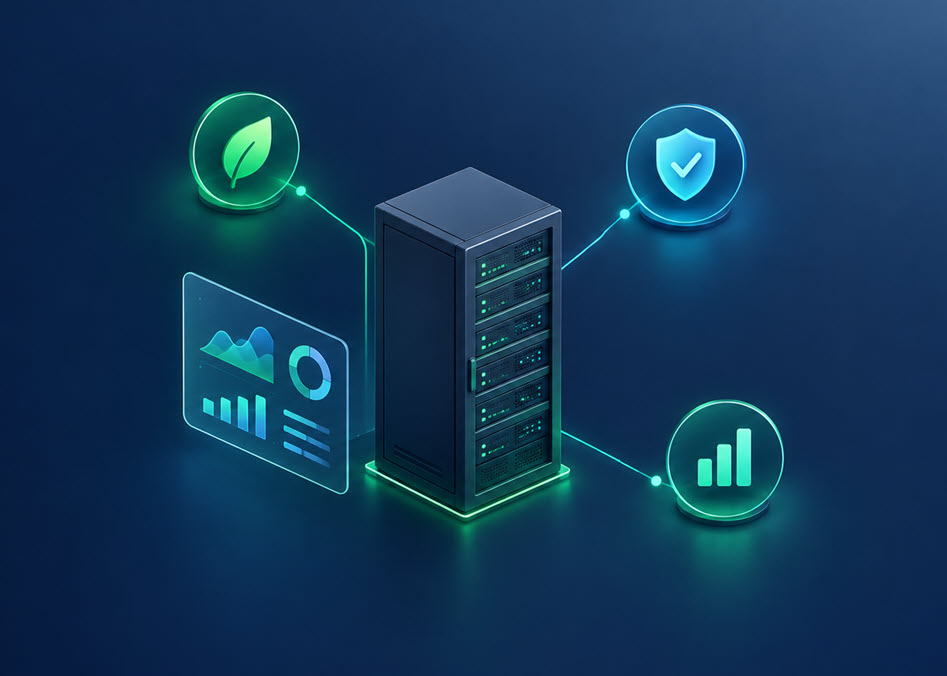
A reliable system connects hardware telemetry with financial controls. That requires clear ownership, stable data pipelines, and evidence that remains available long after a reporting period closes.
Hardware Telemetry Meets Regulatory Compliance
Servers, storage arrays, cooling systems, and cloud platforms can generate detailed operational data. Energy consumption, processor utilization, and equipment life-cycle records may all support environmental metrics. Yet raw telemetry has limited reporting value until it receives a timestamp, reporting scope, unit of measure, and identifiable source.
Start by creating a data dictionary that defines each metric and its owner. Record how frequently systems collect it, which transformations occur, and how the organization handles missing readings. Finance teams evaluating ESG data collection software for finance teams should also check whether the platform connects sustainability measures with planning, ERP, and financial data. This connection helps reviewers follow a reported figure back to its operational origin.
Siloed Server Logs Create Audit Risks
IT infrastructure often stores operational evidence across hypervisor logs, cloud dashboards, building management systems, and service provider portals. Different retention policies can create gaps in the audit trail. One platform may retain detailed readings for just 30 days, while another preserves monthly summaries for several years. These inconsistencies can make it difficult to verify historical energy consumption, resource utilization, and other ESG metrics.
To reduce this risk, create a retention matrix that maps each required ESG metric to its source system, retention period, and backup location. Established security log retention practices offer useful guidance on access controls, retention schedules, and protected archives. Applying similar controls to sustainability data helps preserve the evidence needed to support financial disclosures and regulatory reviews.
Regular retrieval tests can reveal weaknesses before an audit begins. Select a metric from the previous quarter and ask someone who did not prepare the report to locate its source, reproduce the calculation, and identify the relevant approval record. If the process takes days or depends on individual employees, the organization may need better documentation, more consistent retention policies, or improved access to historical records.
System-level monitoring can also help IT teams investigate discrepancies. Understanding how Windows Management Instrumentation (WMI) exposes system information and how Windows Event Viewer records operational events provides useful context when troubleshooting infrastructure issues. Although these tools do not replace a centralized ESG audit trail, they can support investigations by helping teams examine system activity and identify potential causes of inconsistent data.
Modernizing Pipelines for Financial Reporting
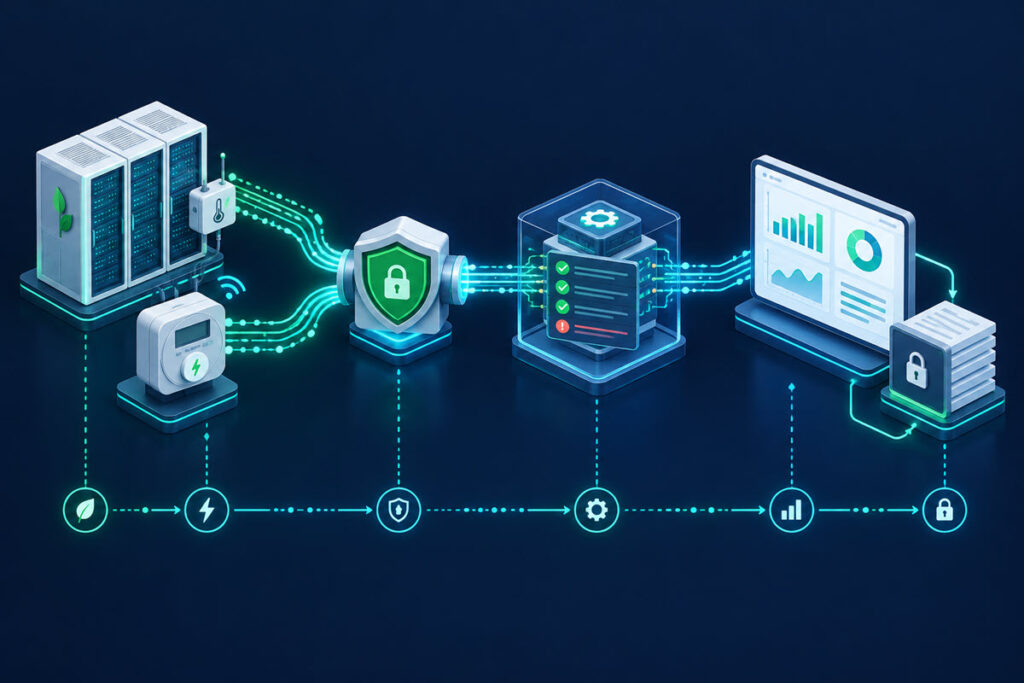
Move recurring ESG data away from manual copy-and-paste workflows. A controlled pipeline can extract readings, validate formats, and load approved values into a reporting system while keeping the original records intact. Validation rules should flag duplicate timestamps, unexplained zero values, and sudden changes that exceed a defined threshold.
For example, a data center reporting a 40 percent drop in monthly electricity consumption should trigger a review before the figure enters a disclosure. The change might reflect an efficiency project, but it could also come from a failed sensor or incomplete import.
Document every adjustment with the original value, revised value, reason, approver, and timestamp. These records support regulatory audit trail requirements and give finance teams evidence of how reported numbers changed. Version-controlled transformation scripts also prevent undocumented calculation changes between reporting periods.
Establishing Direct API Integrations
Direct API connections reduce manual handling when source systems expose stable, well-documented interfaces. Before deploying one, confirm authentication methods, rate limits, field definitions, and expected downtime. The integration should log each request, response, and failure without exposing credentials or sensitive operational details.
Build reconciliation into the design. If an API sends 720 hourly readings for a 30-day month, the receiving platform should confirm that all 720 arrived and identify missing intervals. Store a source identifier with every record so reviewers can trace values without relying on filenames or employee memory.
Treat schema changes as controlled events. Test updated fields in a staging environment, document their effect on calculations, and obtain approval before production release. Your infrastructure is ready for auditable ESG data when a reviewer can select one disclosed number and follow it through the API, transformation logic, and approval record to the original system reading.
