


Software teams face a tough choice after every code change. Should they run a full regression test suite or focus on targeted tests? This decision affects release speed, test coverage, and the risk of bugs that slip through to production.
Full regression tests validate the entire system to catch unexpected bugs anywhere in the application, while targeted tests focus only on areas affected by recent changes to save time and resources. Each approach has clear benefits and drawbacks. Full regression offers maximum confidence but takes longer to complete. Targeted tests run faster but might miss bugs in unexpected places.
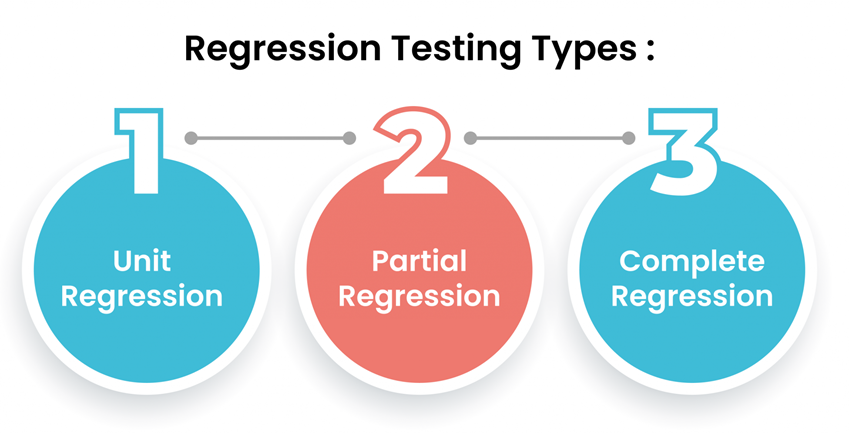
The right choice depends on several factors. Teams need to consider the type of change made, the risk level of the release, and how much time they have before deployment. This article explains the key differences between these two approaches and provides practical guidelines to help teams decide which strategy fits their situation best.
Key Differences Between Full Regression Tests and Targeted Tests
Full regression tests examine the entire application after changes, while targeted tests focus on specific areas affected by recent updates. Each approach requires different time investments and offers distinct trade-offs between thoroughness and speed.
Scope of Full Regression Testing
Full regression tests verify every function across the entire software application. These tests run through all features, modules, and user workflows to confirm nothing broke after code changes.
The process checks old features alongside new additions. It validates integrations between different system components. Full regression catches unexpected bugs in areas far from the actual code changes.
This approach demands significant time and resources. A complete test suite might take hours or even days to finish. Teams often run full regression tests before major releases or after substantial code updates.
Test automation helps manage the large scope of full regression. However, even automated full test suites require maintenance and infrastructure. The breadth of coverage makes full regression the most thorough option available, and teams can click here to read more about continuous testing framework that supports this process.
Benefits of Targeted Regression Tests
Targeted tests focus on specific modules or features touched by recent changes. This narrow focus saves time and resources compared to full test runs.
Developers get faster feedback about their code changes. A targeted test suite might finish in minutes instead of hours. Quick results allow teams to fix problems immediately while the code stays fresh in their minds.
These tests work well for small bug fixes or minor feature updates. They examine the changed code plus related dependencies. Targeted tests fit naturally into fast development cycles where teams push multiple updates each day.
The speed advantage becomes clear in modern development workflows. Teams can run targeted tests after every commit or pull request. This frequent validation catches problems early before they spread to other parts of the codebase.

Risks and Limitations of Each Approach
Full regression tests consume substantial time and computing resources. Long test runs slow down release cycles. Teams sometimes skip full regression due to time pressure, which introduces risk.
False positives increase with larger test suites. More tests mean more maintenance work to keep them accurate. Outdated tests can block valid releases and frustrate development teams.
Targeted tests might miss bugs in unexpected areas. Code changes sometimes affect distant parts of the application. A narrow test scope can create blind spots where problems hide until users find them.
The choice between approaches involves trade-offs. Full regression provides confidence but requires patience. Targeted tests deliver speed but demand good judgment about what to check. Many teams combine both methods at different stages of their release process.
Choosing Between Full Regression and Targeted Testing
The decision between full regression and targeted tests depends on the scope of changes, release timeline, and risk tolerance. Teams must weigh the completeness of full regression against the speed of targeted approaches based on specific project conditions.
When to Prioritize Full Regression
Major releases require full regression tests to verify all system components work correctly together. This approach makes sense after significant code changes that affect multiple modules or core functionality.
Full regression fits best before production deployments of quarterly or annual releases. The complete test suite catches unexpected interactions between new features and existing code. Organizations should run full regression after large refactors, framework upgrades, or database schema changes.
Bug fixes that touch shared libraries or utilities also call for full regression. A change in one shared component can ripple through the entire application. Third-party integrations and API updates present similar risks that full regression addresses effectively.
Teams need full regression after long development cycles where multiple features merge together. The combination of changes creates complexity that targeted tests might miss.
Scenarios Suited for Targeted Tests
Hotfixes and emergency patches work well with targeted tests. These urgent fixes need fast verification of specific functionality without the time cost of complete test suites.
Targeted tests serve isolated feature additions that don’t interact with existing systems. A new reporting dashboard separate from core operations needs only relevant test cases. UI-only changes like button repositions or color updates rarely affect backend logic.
Sprint-level testing in agile environments relies on targeted approaches. Teams select tests that cover recent code changes and related functionality. This method maintains development velocity while still catching defects.
Minor bug fixes in isolated modules need only the affected area tests plus a small set of connected features. Documentation updates, configuration changes, and feature flags also fit the targeted testing model. Teams save resources by focusing on high-risk areas rather than redundant verification of stable code.
Impact on Project Timelines and Quality
Full regression tests extend project timelines but reduce post-release defects. A complete suite might take hours or days to execute, which delays release schedules. However, the trade-off prevents costly production bugs that damage user trust.
Targeted tests accelerate delivery cycles and support frequent deployments. Teams can release updates multiple times per week with faster test execution. The risk increases slightly because some interactions might slip through, but the business often values speed over absolute certainty.
Test automation shifts this balance significantly. Automated full regression runs in minutes rather than days, which makes it feasible for more releases. Teams can execute targeted tests on every commit and full regression nightly or before each deployment.
Resource availability affects the choice directly. Smaller teams with limited test infrastructure must use targeted tests more often. Larger organizations with dedicated QA teams and automation frameworks can afford full regression more frequently without blocking progress.
Conclusion
The choice between full regression tests and targeted tests depends on the scope of changes and project constraints. Teams should run full regression tests after major releases, significant code changes, or architectural updates to verify the entire system. Targeted tests work better for minor bug fixes, small feature updates, and daily development cycles.
A balanced approach combines both strategies. Organizations that mix automated targeted tests with scheduled full regression cycles maintain software quality without slowing down delivery. The key is to match the test strategy to the risk level and impact of each change.
