


A spreadsheet can record a regulatory change, but it can’t reliably manage the decisions, deadlines and evidence that follow. As an enterprise expands across jurisdictions, manual compliance tracking creates duplicate work and leaves critical updates buried in inboxes or disconnected files. Teams need a controlled process that identifies relevant changes, assigns clear ownership and preserves an audit trail. Without those capabilities, compliance depends too heavily on individual attention and institutional memory.
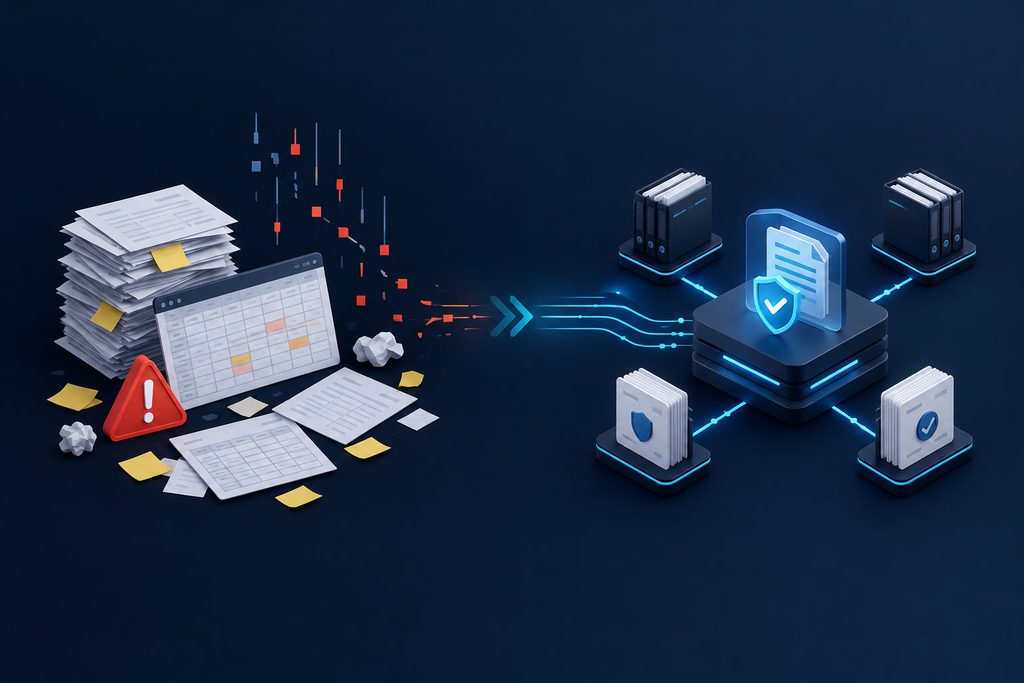
The High Cost of Spreadsheet Tracking
Manual tracking appears inexpensive because the software is already available. The larger costs emerge when employees spend hours collecting updates, correcting inconsistent entries and checking whether colleagues completed assigned tasks. Similar manual inventory costs show how data entry and reconciliation can consume resources that aren’t visible in the original budget.
Spreadsheets also allow formulas to break, rows to disappear and outdated copies to circulate. One incorrect deadline may affect several business units before anyone notices. This broader cost of human error explains why controlled workflows and validation rules matter. Track rework hours, missed handoffs and duplicate reviews to calculate the actual expense of your current compliance process.
Speed Gaps in Traditional Monitoring
Traditional monitoring often requires employees to visit regulator websites, read email alerts and copy relevant details into shared files. If a rule is published on Friday and reviewed the following Wednesday, the organization has already lost several working days. A further delay occurs while legal teams interpret the update and locate affected product owners.
Organizations operating across multiple jurisdictions can use regulatory intelligence software to centralize updates, structured analysis and regulatory change workflows. Before selecting a platform, document how quickly your team must detect new requirements, which jurisdictions it covers and who approves each response. Set measurable service targets, such as triaging high-priority updates within one business day and assigning an owner before the next review cycle.
Deploying Dedicated Intelligence Platforms
Start deployment with one defined compliance process instead of moving every spreadsheet at once. For example, migrate payment licensing updates for three jurisdictions, then compare detection times, assignment rates and overdue actions against the previous process. A focused pilot exposes configuration problems without disrupting the entire compliance function.
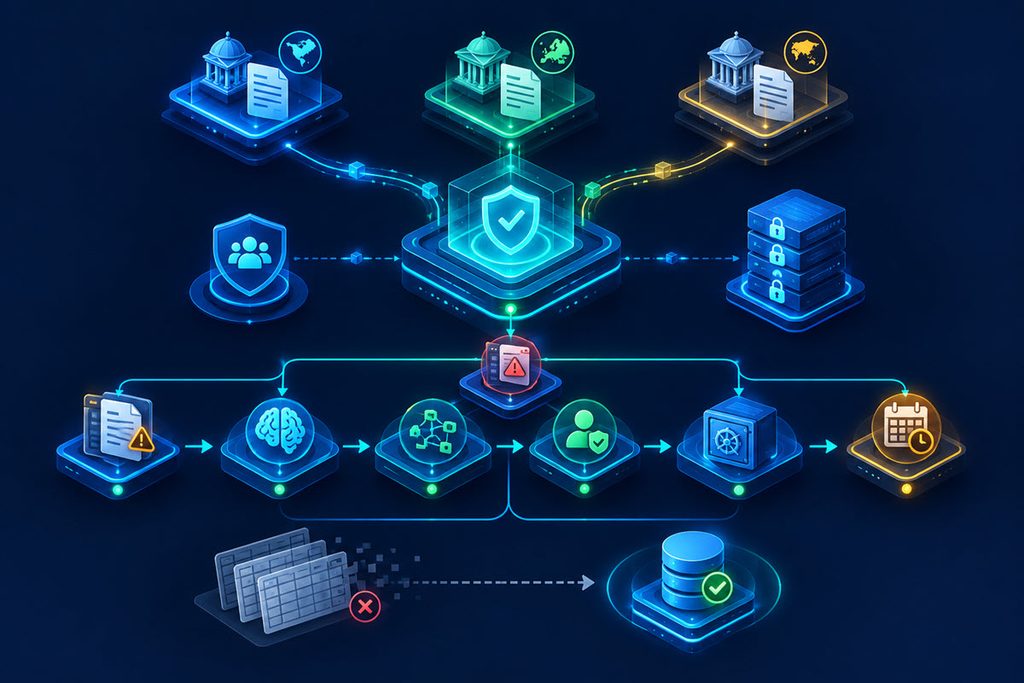
The platform should record the source, publication date, legal interpretation, affected controls, accountable owner and supporting evidence. Automated reminders can flag approaching deadlines, while role-based access limits unauthorized edits. Evidence from clinical trial tracking costs also illustrates how repeated manual handling quietly drains specialized budgets. During rollout, remove duplicate trackers and define which system holds the official record. Otherwise, employees may continue maintaining parallel files that undermine data quality.
Unifying Legal and Engineering Teams
A central platform only works when legal and engineering teams agree on how regulatory analysis becomes technical work. Legal staff should describe the obligation, effective date and acceptable evidence in plain language. Engineering teams can then map those requirements to systems, controls and release schedules. A shared ticket might connect a new reporting requirement to database changes, testing results and final approval.
Create a weekly review for high-impact changes and a monthly check for lower-priority items. Each record should have one accountable owner, even when several departments contribute. Use common status labels such as under review, implementation scheduled, testing and complete. Completion should require attached evidence, not a verbal update.
The strongest test is simple: select one regulatory change and trace it from publication through interpretation, implementation and approval. If that history can’t be produced quickly from a single controlled record, manual tracking is still shaping the process.
